








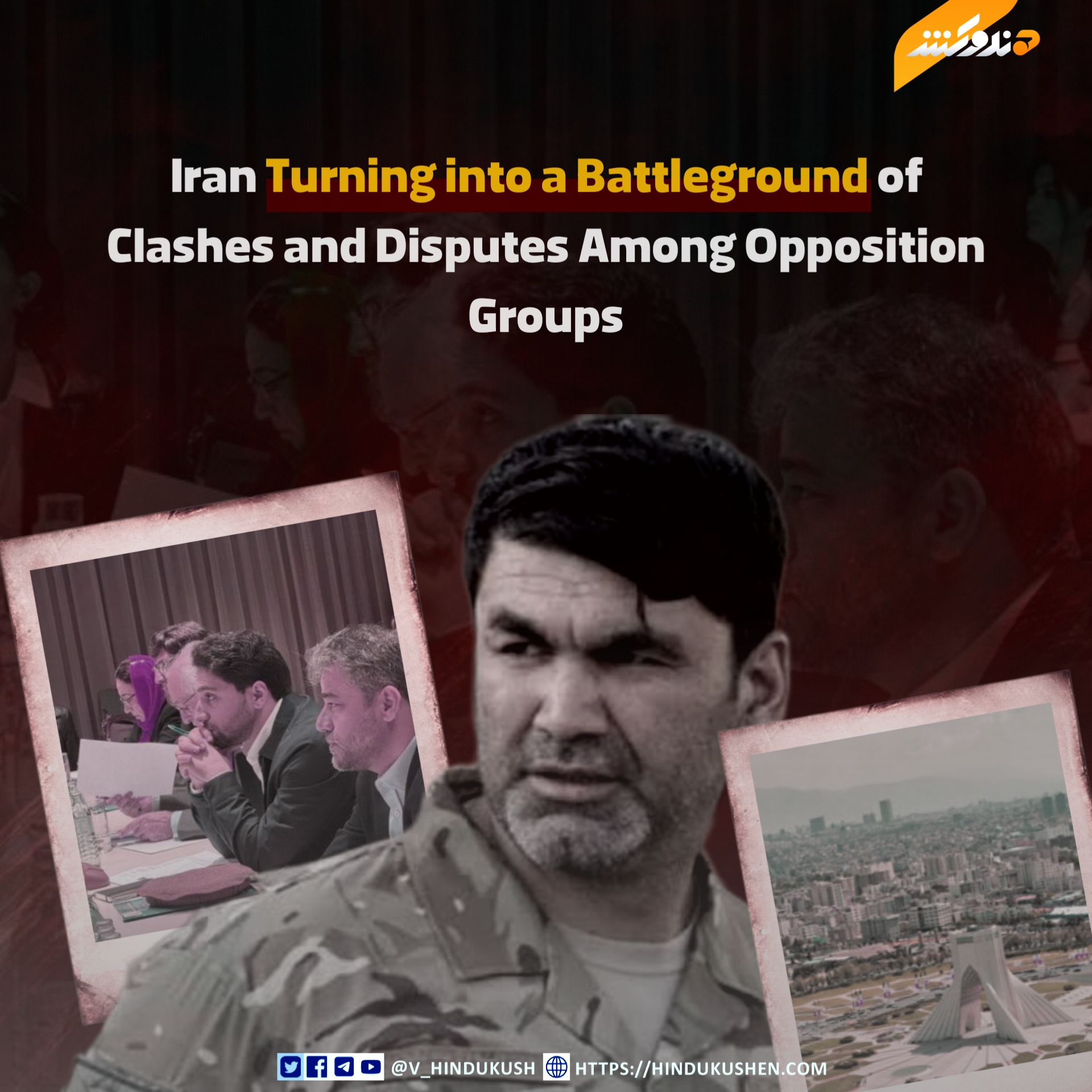
Recently, a key leader of the Resistance Front, Ikramuddin Saree, was killed in Iran. The secrets behind this targeted killing are gradually coming to light, unveiling the internal disputes that led to Saree’s death.
Tensions and disagreements among the Resistance Front, the Freedom Front, and other factions have reached their peak. At this height of discord, Ikramuddin Saree’ was the first to be eliminated, further complicating the situation among the opposing groups. Experience has shown that when disputes escalate from verbal confrontations to the level of mysterious killings, a cycle of retaliation begins, with each side targeting figures at the leadership level.
At present, a number of members and leaders of the Resistance Front, the Freedom Front, and other factions are based in Iran. According to analysts, Saree’s killing paves the way for collective infighting and assassinations among them, potentially turning Iran into a battleground of internal clashes.
Such a situation not only further fragments the internal structures of these factions, but also destroys all mutual trust that had been formed for the purpose of joint opposition. When opposing movements become preoccupied with eliminating one another instead of pursuing a common objective, all their activities shift from political opposition to the realm of intelligence-driven and mafia-style rivalry.
Analysts believe that in such an environment, the host country’s security concerns inevitably increase, and it is natural that Iran will seek to place these factions’ movements under stricter control. This, in turn, will generate further restrictions, mistrust, and new conflicts. Ultimately, not only individuals but all opposition fronts will suffer damage, and the fire of these disputes will accelerate their path toward decline.


