








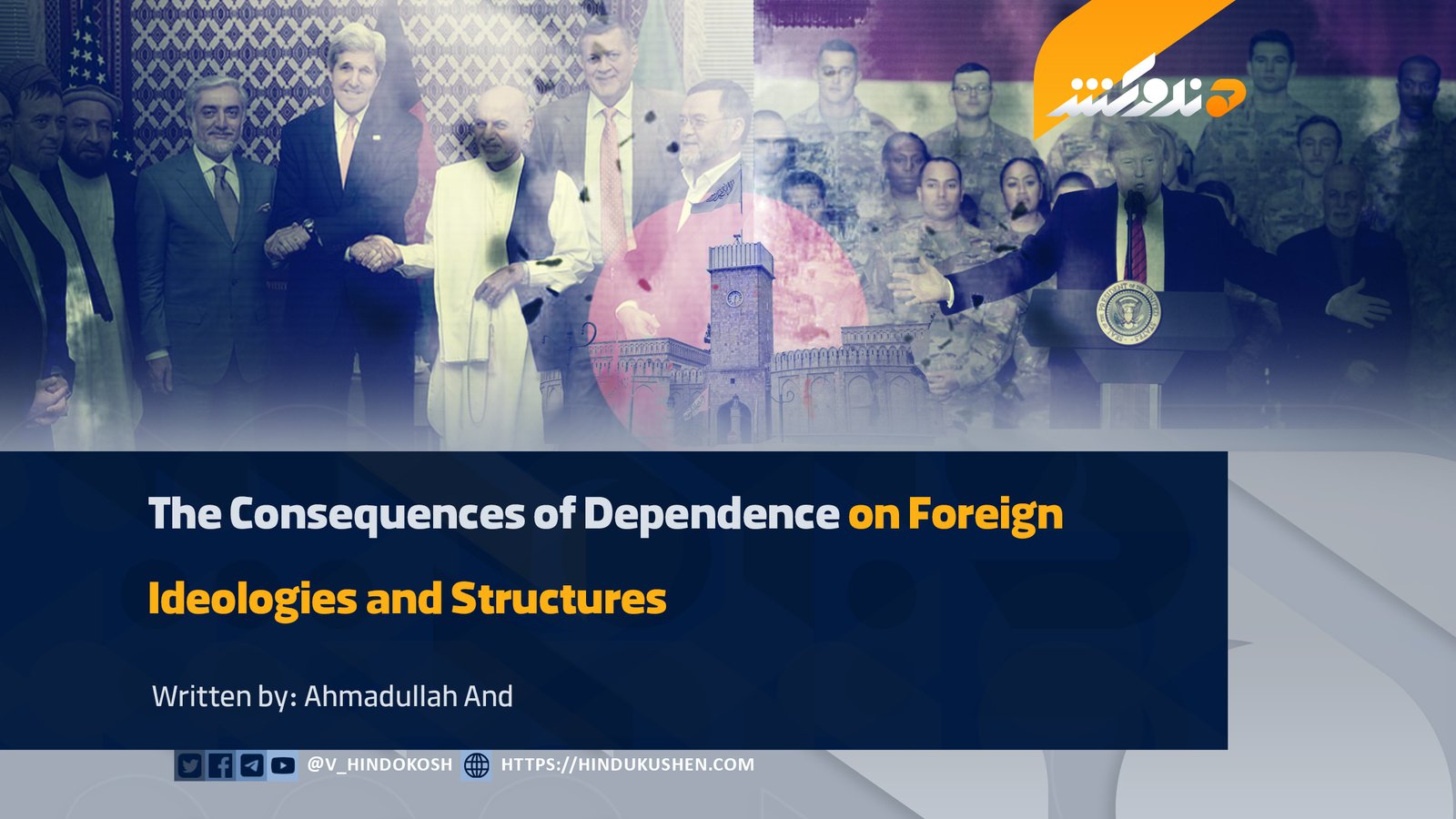
Written by: Ahmadullah And
Afghanistan’s contemporary history has witnessed a succession of political systems, ideologies, and foreign interventions. From the era of communism and the Soviet invasion to the civil wars and the collapse of the Republic, the country has endured bitter experiences marked by political upheavals, proxy conflicts, and externally imposed structures.
Many of these political projects, ideologies, and failed frameworks bore no resemblance to Afghanistan’s social, cultural, and religious realities. Communism was introduced through policies that confronted the country’s religious and traditional values with repression, brutality, and widespread violence. The result was prolonged conflict, extensive destruction, mass displacement, and the deaths and disabilities of millions of Afghans.
Subsequently, the presence of U.S. and NATO forces, along with the twenty-year period of the Republic, was likewise accompanied by serious challenges. Although certain sectors experienced progress during this period, the Republic’s foundations were weakened by widespread corruption, political divisions, ineffective governance, concentration of power, public distrust, and a growing distance between the government and the people.
The most significant issue was the Republic’s failure to establish a broadly accepted national consensus among Afghanistan’s diverse segments of society. During its rule, the erosion of traditional values, night raids on civilian homes, civilian casualties, indiscriminate aerial bombardments, and the heavy human cost of the conflict became major sources of public dissatisfaction.
Deep internal divisions within the Republic, disputes over the outcomes of the so-called elections, and direct foreign interference were additional factors that contributed significantly to its eventual collapse. Throughout the twenty years of conflict, the Mujahideen (Holy fighters) of the Islamic Emirate continued their armed combat against the Republic and the foreign military presence across many provinces and regions. Over time, unlike the Republic, they expanded their influence and gained broad public support.
When the withdrawal of foreign forces began after two decades of conflict, the Republic’s political and security structures came under severe pressure within a short period. Ultimately, following the successive fall of provincial capitals, the Republic came to an end with the fall of Kabul on 15 August 2021 (24 Asad 1400 Solar Hijri year).
A regime that lacked the confidence of its people was ultimately unable to survive, even with extensive foreign support. This stands as a testament to a nation that has never accepted foreign occupation or any political system, structure, or model imposed from abroad, and has consistently resisted them.
Note: The articles, essays, and comments published by the Voice of Hindukush only reflect the views of the authors & writers and do not necessarily represent the agreement of the Voice of Hindukush.


