








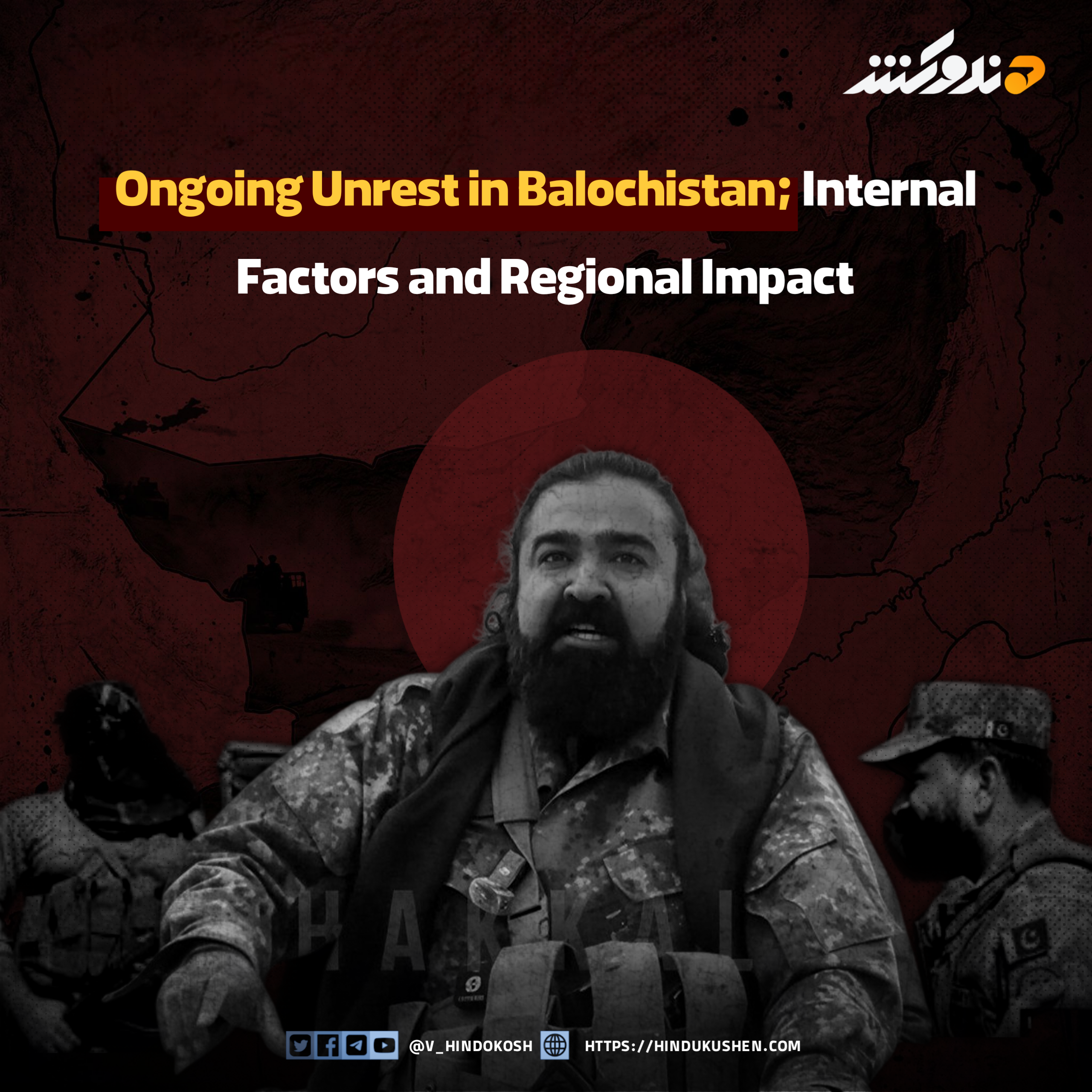
Recent attacks and operations in Balochistan have once again revived discussions over Pakistan’s internal stability and its failed policies. This tension, which from time to time takes the form of intense armed clashes and military operations, can largely be seen as the natural outcome of long-standing flawed political policies, oppression of certain ethnic groups, and persistent inequalities.
According to analysts, the Balochistan crisis is primarily rooted in the marginalization of local populations, restrictions on political participation, unequal distribution of economic opportunities, and misguided security strategies. These factors have damaged the atmosphere of trust between the Pakistani regime and the people, widening the gap between them and creating a serious long-term challenge to stability.
Although Pakistani channels and official statements occasionally point to foreign interference in the country’s internal crises and blame external actors, including Afghanistan, such claims lack any solid basis. To date, Pakistan has not presented credible evidence linking this tension directly to neighboring countries. Assessments of Pakistan’s security crisis indicate that most dimensions of the conflict are rooted within Pakistan itself.
Observers believe that a sustainable solution to the situation in Balochistan lies not only in reforming security policies but also in political reforms, broad and inclusive participation, and serious assessment of regional concerns and addressing them effectively. Without these measures, the ongoing crises will not only push Pakistan closer to instability but will also have profound effects on the security environment of the entire region.


