








Written by: Abdullah Qamar
More than four years have passed since the collapse of the republic and the flight of warlords and leaders of puppet parties from the country; four years during which the people of Afghanistan, after a long time, have breathed a sigh of relief away from these infamous figures and are experiencing a comfortable life.
Throughout this entire period, the biggest challenge for the leaders of these notorious parties outside of Afghanistan can be considered their internal disagreements; endless disputes whose origins date back not to the collapse of the republic, but to the twenty-year occupation and even before that, to the period of devastating civil wars.
From the very beginning of the republic’s collapse, the leaders of these parties have undertaken numerous initiatives to unite with each other, but as expected, none of these efforts have been successful. Among these, the formation of various coalitions under different names can be considered one of these failed actions.
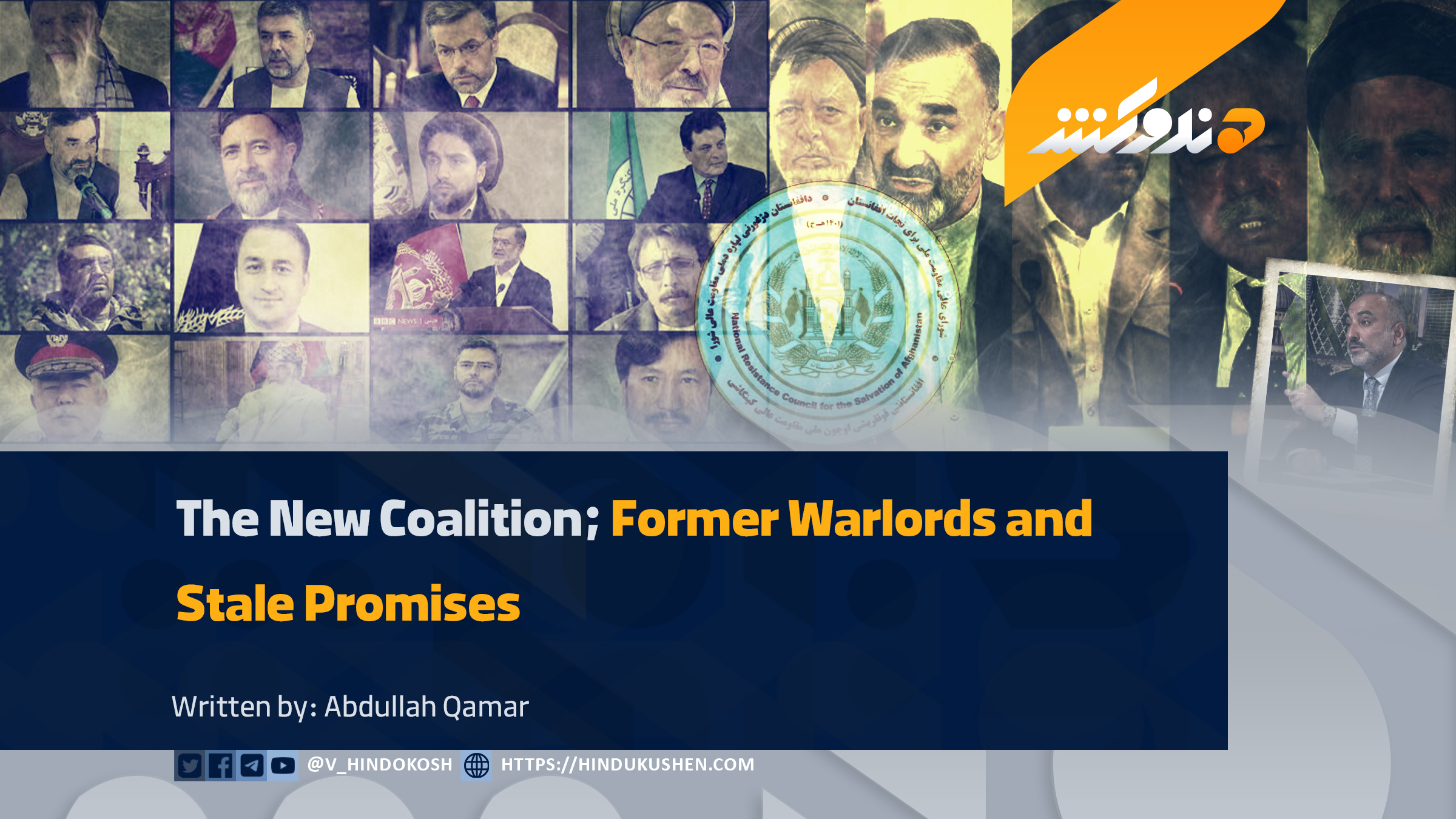
In the latest development, while many of the powers that once supported them have rejected them, a number of these notorious figures have once again come together and formed a new coalition under the name “Coordination Coalition of Afghan Political Parties.”
Undoubtedly, these repetitive figures who have nothing on their disgraceful record in the past four years except for a few online meetings and the dissemination of propaganda on virtual platforms, now only aim to create a new coalition as a futile attempt to gain media attention.
The members of this new coalition are also the same familiar faces from the past; although this time, a number of prominent figures opposed to the Afghan government have refused to join forces with these individuals, including: Rahmatullah Nabil, Amrullah Saleh, Yasin Zia, Latif Pedram, and Salahuddin Rabbani. This confirms the continued deep divisions between these figures.
Most of the materials and objectives put forward for this flimsy coalition are also a repetition of the past, except in a few cases. For example, self-proclaimed leaders who, in previous coalitions, sought the collapse of the current Afghan government are now demanding not the government’s downfall but rather participation in it in their new statement.
It should be mentioned that this change in stance has led many experts to view these individuals’ desire to participate in the new Afghan government as a sign of their obvious weakness and inability; an undeniable weakness that is clearly visible among them after being rejected by other countries.
Despite appearing under a new name and claiming to aim to defend and care for the people, the new coalition has practically become a gathering of the same political bloodsuckers – figures who, over the past two decades, brought not honor and pride, but rather humiliation, destruction, corruption, and insecurity to the people.
While these individuals chant such deceptive slogans and speak of seeking justice for the people of Afghanistan, their true aim is nothing more than returning to the stage of power, sitting at the table of looting and plundering the public treasury, and continuing the same cycle of deal-making, seeking shares, and sucking the blood of the people.
However, the historical experience of the Afghan people has shown that neither reform nor sincerity emerges from such currents. They only remember the people and national interests when the foundations of their foreign support weaken and their path back to power is blocked.
Interestingly, this newly formed coalition, in its statement, demanded support from the UN Security Council, regional countries, and the international community in a demanding tone, even tho neither these institutions nor their former supporters paid the slightest attention to them in the past four years, and the names of these figures were not even mentioned in the political arena, just like burnt-out pieces that have been discarded.
It should be mentioned that this double standard clearly shows that these individuals still base their hopes not on the people of Afghanistan but on external support; a habit rooted in their history and political nature.
Note: The articles, essays, and comments published by the Voice of Hindukush only reflect the views of the authors & writers and do not necessarily represent the agreement of the Voice of Hindukush.


