








Written by: Murad Khan Eidi
War, on any scale, brings serious damage and affects the normal state of the country and its people. There is no doubt that the first blow of war strikes the country’s economy, and consequently, the people’s livelihood faces challenges, and inflation arises.
By starting a selfish war against Afghanistan, Pakistan not only tarnished its reputation in the region but also further jeopardized the relations between the two countries; a war that is neither beneficial to both countries nor can Pakistan achieve its illegitimate and fanciful desires thru it.
One of the serious damages of the war in Pakistan is the excessive inflation of essential items, such as food, beverages, and even consumables like oil, petrol, and gas. These items are considered daily and essential needs of people’s lives, and if they become expensive or scarce in the market, the wheels of life will slow down.
Additionally, Pakistan, before launching its failed aerial invasion against the territorial integrity of Afghanistan, was already under attack and conflict from its own opposition forces, and its security, economic stability, and even national stability were on a path of gradual and silent decline. Now, with the addition of its cowardly battles against Afghanistan to the list of ongoing and numerous internal conflicts, and with other regional and neighboring issues coming to the forefront, this country has increasingly fallen into a gradual and wearisome collapse, and these concerns have manifested themselves in the form of rising prices.
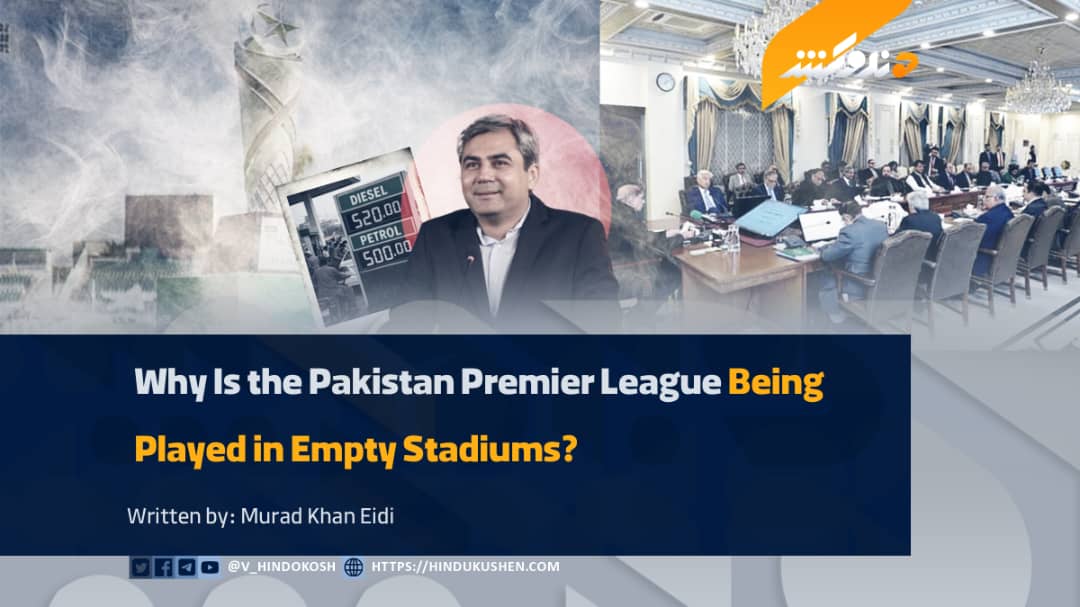
In one of these cases, the government of Pakistan has limited the holding of cricket matches, which have many fans in the country and are considered the national sport, to only the two provinces of Lahore and Karachi, citing the high cost of fuel and the weakness of the economy during the war. But interestingly, Maryam Nawaz, the Chief Minister of Punjab, and Mohsin Naqvi, the Interior Minister of the country, attended the stadium under heavy security measures and watched the game.
This event highlights three important points:
- The security situation in Pakistan has become extremely unstable, and the possibility of holding national and other mass events is facing a serious security risk, which the Pakistani government cannot afford to take.
- Holding limited competitions without the presence of spectators, under the pretext of high costs and economic decline, is one of the obvious consequences of the war period in Pakistan; a situation that will soon paralyze the economy of this country.
- Despite this, the personal presence of ministers at competitions banned for the public indicates the autocracy of the government leaders; those who do not refrain from pursuing their personal desires even amidst the chaos of war and conflict.
By putting all these facts together, one can conclude that the government of Pakistan does not care about its people, and the leaders of this government, even in the most difficult conditions, think more about their own enjoyment and personal interests. They close the door to entertainment, which is the only source of joy for many people, to the nation; but they keep it open for themselves, at a high cost of security.
Note: The articles, essays, and comments published by the Voice of Hindukush only reflect the views of the authors & writers and do not necessarily represent the agreement of the Voice of Hindukush.


