




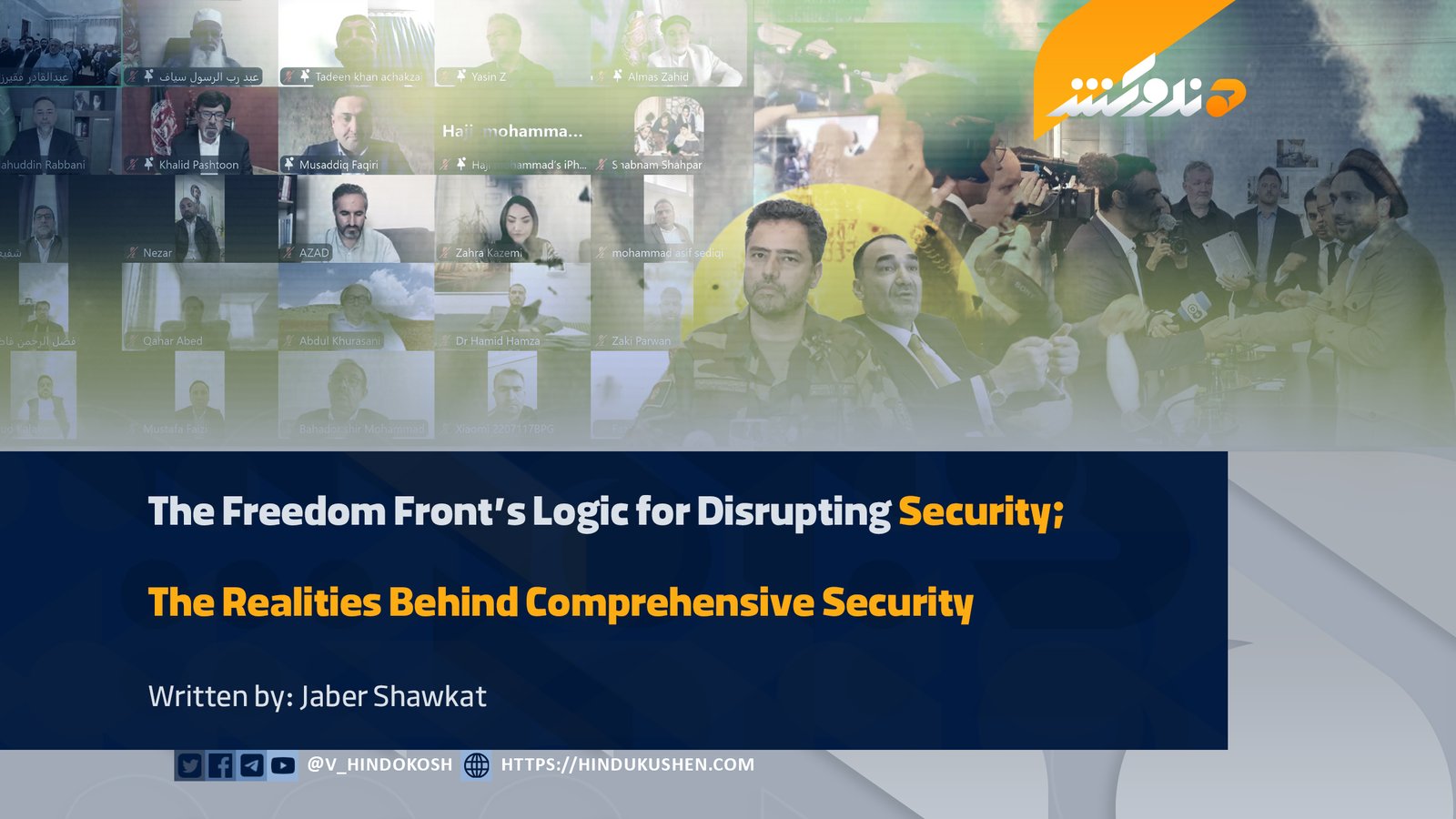
Written by: Jaber Shawkat
Afghanistan has witnessed unprecedented insecurity, war, and bloodshed in recent decades; to the extent that the shadow of insecurity has spread to the cities, markets, alleys, and backstreets of many towns. Kidnapping and looting gangs had taken refuge in various parts of the major cities and drained the blood of our compatriots every day. Many young people were killed for the most trivial things and, with a world full of ideals, became victims of thieves and criminals.
The unruly individuals not only stained their hands up to the elbows with the blood of the innocent but also roamed freely in the cities due to collusion with the security forces and high-ranking officials of the fallen republic regime; as if there were neither laws nor governance, no force to ensure the city’s security, nor a court to bring the criminals to justice. It seemed that the thief and the government were all in cahoots. The same situation prevailed on the highways and around the cities.
But with the establishment of the current government, the chaos was brought under control, and the scope of security and tranquility expanded throughout the country; to the extent that today, going out of the house and traveling at night and during the day makes little difference. Investors and traders also see a safer environment for economic activities compared to the past, and international reports have repeatedly mentioned the improvement in the security situation in Afghanistan.
In such circumstances, the recent remarks of Yasin Zia, the leader of the group known as the “Freedom Front,” are noteworthy. He claimed in his online meeting: “People say security; in fact, we, the fronts, have provided security; if we want to disrupt security, then you will see what security is.”
This statement raises a simple question: If the fronts were providers of security, why couldn’t they provide such security for the people when they were in power themselves?
Why, during the years when they were in power, was Kabul not rid of kidnappers, thieves, and looters? Why did people travel on highways and intercity routes with worry and fear? And why did the security they talk about today not exist for the people during their own rule?
The truth is that the opposing fronts not only failed to create the existing nationwide security, but in recent years, they have repeatedly attempted to portray the country’s situation as critical by carrying out attacks and creating a psychological atmosphere of insecurity. They have repeatedly attempted to attack foreign companies that came to Afghanistan with the intention of investing, but these efforts could not change the general reality of security in the country.
Now that these efforts have not yielded results, it seems the new logic is that if they cannot disrupt security, at least they threaten the people by saying, “If we want, we will disrupt security.”
If we place Yasin Zia’s words alongside the realities of the past and the current situation in Afghanistan, a clear contradiction emerges: those who failed to ensure security during their rule now claim that the existing security is the result of their actions; and those who have been unable to disrupt it threaten the people that if they want, they will disrupt the security.
But security is not established with slogans and online meetings, nor is it eliminated by threats. The reality of today’s Afghanistan must be seen in the lives of the people; in the open highways, the free movement of citizens, the activity of markets, and the spread of peace throughout the country.
If you claim that the current security is the result of your actions, why, when you had power and resources at your disposal, were you unable to create the same security for the people of Afghanistan that you speak of today?
Note: The articles, essays, and comments published by the Voice of Hindukush only reflect the views of the authors & writers and do not necessarily represent the agreement of the Voice of Hindukush.