




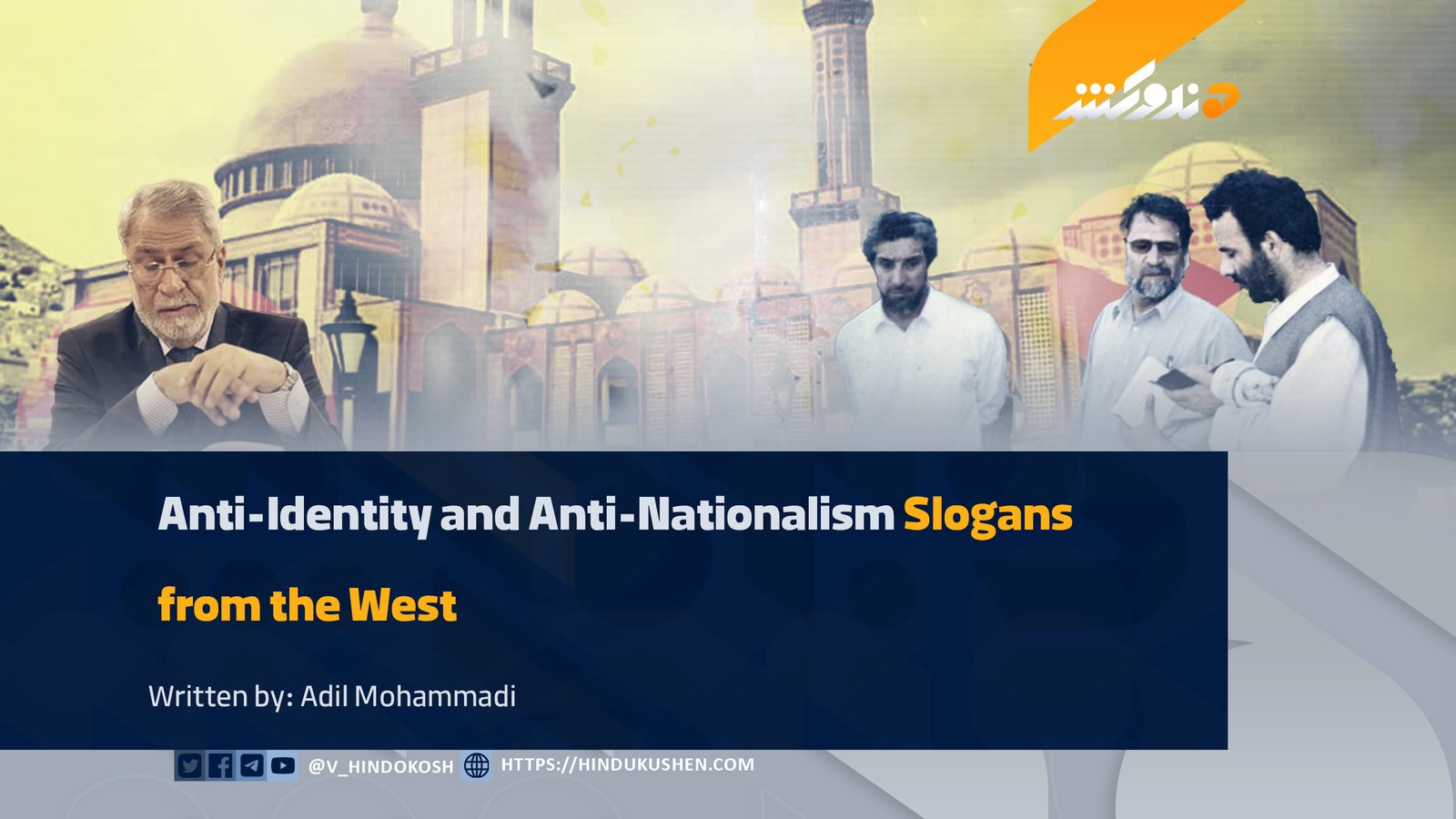
Some time ago, a meeting titled “Obstacles to Peace and Stability in Afghanistan” was held in London, United Kingdom, attended by several political figures and affiliates of various movements. In this meeting, various viewpoints on the factors of instability and ways to achieve peace in Afghanistan were discussed; however, what attracted the most attention and reaction was the speech of Mohiuddin Mahdi, a writer, political analyst, and member of the Resistance Front.
In part of his speech, he claimed that “the project of Afghanity has come to an end” and elsewhere referred to Afghan identity and Islamic identity as factors of instability in Afghanistan. These statements not only faced widespread public backlash but also criticism from several figures associated with the previous republican regime, as many considered these remarks to be in conflict with Afghanistan’s historical, social, and cultural realities.
In fact, if the factors of peace and stability in Afghanistan are examined free from bias, political motivations, and ethnic tendencies, it becomes clear that the root cause of the crises of recent decades cannot be found in Afghan identity and Islamism. What has always created the grounds for instability are foreign interventions, dependence on foreign powers, divisive policies, exacerbation of ethnic conflicts, and efforts to pit different ethnic groups and social classes against each other.
Afghan identity is the shared identity of all the inhabitants of Afghanistan. This identity does not belong to a specific ethnic group, but to all the citizens of this land; an identity that has a well-established place in official documents, international relations, and the historical memory of the country. Therefore, the attempt to question Afghan identity or attribute it to a specific ethnic group stems from a misunderstanding and lack of recognition of Afghanistan’s realities; an act that has always provided grounds for the enemies of Afghanistan to exploit and for social divisions to widen.
Additionally, Islamism is considered one of the fundamental elements of the identity of the people of Afghanistan. The people of this land, despite ethnic, linguistic, and regional differences, have lived together for centuries under the light of Islamic beliefs. Islam in Afghanistan has always been a factor of connection, solidarity, and empathy among different ethnic groups and has played an important role in maintaining social unity. Therefore, introducing Islamism as a factor of instability overlooks a significant part of Afghanistan’s historical and social realities.
The noteworthy point is that some movements and figures who introduce themselves as defenders of Afghanistan, freedom, and the interests of the people simultaneously oppose Afghan identity and Islamism. This is while patriotism, without accepting a common identity and respecting the values accepted by the majority of the people, is not only impossible but also raises questions: How can one speak of defending Afghanistan while questioning the historical identity of the Afghan people? And how can one claim to promote unity while identifying the most important elements that bind society together as a source of crisis?
The reality is that the instability in Afghanistan is primarily the result of imported models, imposed projects, the rivalries of foreign powers, and divisive policies promoted among the people by dependent circles and foreign mercenaries. The experience of the past few decades has also shown that whenever the people of Afghanistan have united around their common and Islamic values, the ground for greater stability and solidarity has been prepared, and whenever these values have been targeted and undermined, divisions and crises have increased.
Therefore, Afghan identity and Islam are not obstacles to peace and stability, but rather among the most important factors of unity, coexistence, and social cohesion in Afghanistan. What should be criticized today as an obstacle to peace and stability is not the true and religious identity of the people, but rather the thoughts that consciously or unconsciously seek to undermine these two fundamental pillars of Afghanistan’s identity.
Note: The articles, essays, and comments published by the Voice of Hindukush only reflect the views of the authors & writers and do not necessarily represent the agreement of the Voice of Hindukush.